
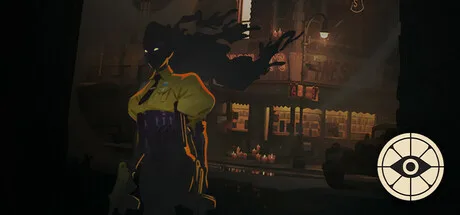

Deadlock Hero Roles & Team Compositions Guide
Understanding hero roles in Deadlock is fundamental to climbing ranked. Unlike games with fixed role queues, Deadlock allows flexible drafting — but certain heroes fulfil certain functions, and teams that ignore role balance tend to lose the mid and late game regardless of individual mechanical skill.
The Six Core Roles
Carry
Carries are high-damage heroes who scale heavily with farm. They are the primary DPS source in the mid and late game but require early protection to reach their power spike.
Examples: Wraith, Vindicta, Infernus
Key responsibilities:
- Prioritise farm and item efficiency in the early game
- Avoid unnecessary deaths — every death delays your power spike
- Transition to a primary damage dealer from the 15-minute mark onward
Support
Supports provide healing, shielding, crowd control, or mobility to teammates. They sacrifice some personal farm to enable carries and tanks to function.
Examples: Kelvin, Dynamo, McGinnis
Key responsibilities:
- Position near teammates during fights rather than farming aggressively
- Prioritise healing and utility items over raw damage
- Track the minimap and rotate to fights across the map
Tank
Tanks absorb damage, initiate fights, and create space for carries. They build defensive items and engage first in team fights.
Examples: Abrams, Mo & Krill, Shiv (flex tank)
Key responsibilities:
- Initiate team fights by engaging first
- Build items that reduce damage taken and increase HP
- Peel for the carry when enemies try to dive them
Jungler
Junglers contest neutral objectives, secure the Urn, and exert map pressure through rotations between lanes. They are the connective tissue of the team.
Examples: Lash, Seven, Pocket
Key responsibilities:
- Track neutral spawn timers and contest them aggressively
- Rotate to losing lanes to stabilise them
- Take the Urn when it spawns — Urn delivery is often the deciding factor in early objectives
Flex
Flex heroes can adapt to multiple roles depending on team needs. They fill gaps in drafts and are often the most versatile picks in the hero pool.
Examples: Haze, Pocket, Seven
Key responsibilities:
- Assess what the team needs after the first two picks
- Build items that fit the gap you are filling — damage if the team lacks DPS, utility if they lack control
Assassin
Assassins dive into the backline and eliminate high-value targets. They are high-risk picks that reward aggressive mechanical play.
Examples: Wraith (assassin mode), Haze, Vindicta (sniper-assassin)
Key responsibilities:
- Target the enemy carry or support in every team fight
- Use mobility items to engage and escape quickly
- Coordinate with the team — solo assassination attempts often feed the enemy carry
Team Composition Templates
Aggressive Composition
The goal is to win fights early and snowball objectives before the enemy scales.
- 1 Tank (initiator) — Abrams or Mo & Krill
- 2 Carries — Wraith plus Infernus
- 1 Flex damage — Haze or Seven
- 1 Support — Kelvin
- 1 Jungler — Lash
Protect-the-Carry Composition
Build the team around enabling one hyper-carry.
- 1 Hyper-carry — Vindicta or Wraith
- 2 Supports — Kelvin plus Dynamo
- 1 Tank — Abrams
- 1 Flex — McGinnis or Seven
- 1 Jungler — Pocket
Balanced Composition
The safest all-around team structure.
- 1 Tank — Mo & Krill
- 2 Damage — Haze plus Infernus
- 1 Initiator — Dynamo
- 1 Support — Kelvin
- 1 Jungler — Lash
Drafting Against the Enemy
Once you understand your roles, the next step is reacting to what the enemy picks.
Enemy drafts heavy dive: Pick Kelvin to freeze divers and McGinnis wall to split team fights. Pocket is also excellent — his box provides a safe space for your carry.
Enemy drafts heavy poke/range: Pick heroes with gap-close. Abrams charge and Mo & Krill underground dash close range gaps quickly.
Enemy drafts heavy sustain: Pick heroes with healing reduction items. Raw damage wins when the enemy out-heals burst.
Common Drafting Mistakes
- Five carries — nobody peels, nobody supports, you lose every team fight after the laning phase
- No tank — enemy divers reach your carries unopposed
- Ignoring the Urn — the best team composition means nothing if you never contest objectives
- Duplicating roles — two junglers fight over the same camps and starve each other
Learn More
Put This Into Practice
Get coaching tailored to your gameplay
Review a match with free AI coaching, then auto-record on desktop when you are ready.
Share this article