
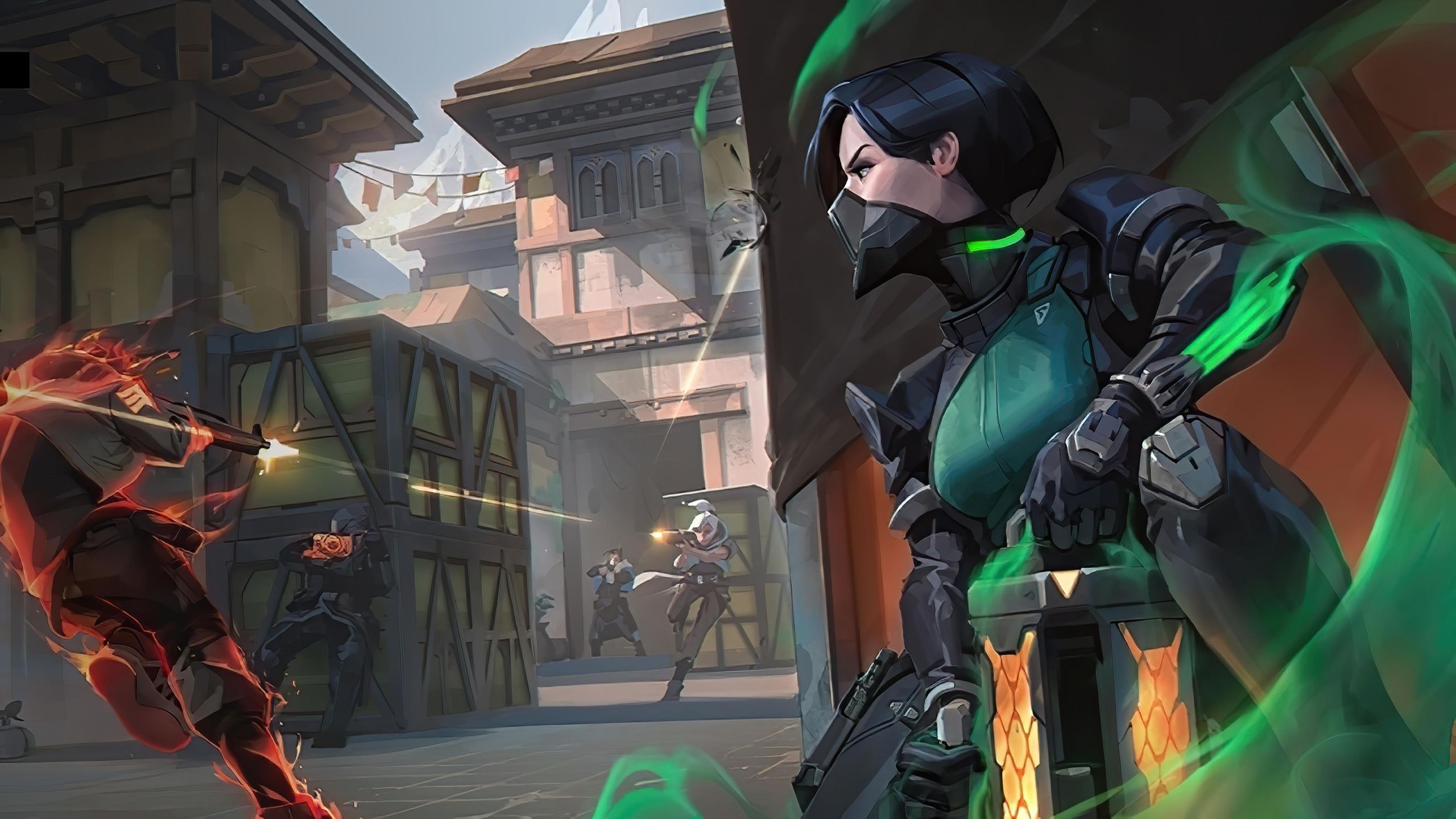
1. Positioning
Positioning is about choosing where to stand during a round. Good positioning allows you to use cover, protect yourself from multiple angles and give yourself an advantage during gunfights.
Try to stay near walls or other cover instead of standing in open areas. When defending choose positions that allow you to watch important areas without exposing yourself to too many enemies. When attacking avoid rushing into dangerous areas without checking your surroundings.
Changing your position after taking a fight can also make you harder to predict. Good positioning helps you survive longer and gives you more opportunities to support your team.
2. Awareness
Awareness means paying attention to what is happening around you. In VALORANT information like footsteps, gunfire, abilities used and teammate callouts can help you understand where enemies might be.
Listen carefully to sounds and watch the minimap to keep track of your teammates and available information. If several enemies are spotted on one side of the map, you can use that information to predict where they might move next or what part of the map will be less contested allowing you to sneak up on them.
One common mistake beginners make is focusing only on their crosshair and ignoring everything else. Improving your awareness helps you react faster and avoid being surprised by opponents.
3. Tracking Opponents
Tracking opponents means remembering their last known positions and predicting where they might go next. You will not always know exactly where every enemy is but you can use information from the current and previous rounds to make educated guesses.
Pay attention to where enemies are spotted, where their abilities come from and where gunshots are heard. If an opponent disappears from one area consider whether they might rotate to another site or reposition nearby.
You should also communicate useful information to your teammates. Simple callouts about enemy locations and movements can help your team prepare for incoming attacks and make better decisions.
4. Common Beginner Mistakes
One of the most common mistakes beginners make is standing in the open for too long or staying in the same position after being spotted. Another mistake is ignoring sounds and minimap information which can make enemy movements harder to predict.
Avoid focusing only on getting kills. Pay attention to the situation, think about where opponents could be and choose positions that give you an advantage.