
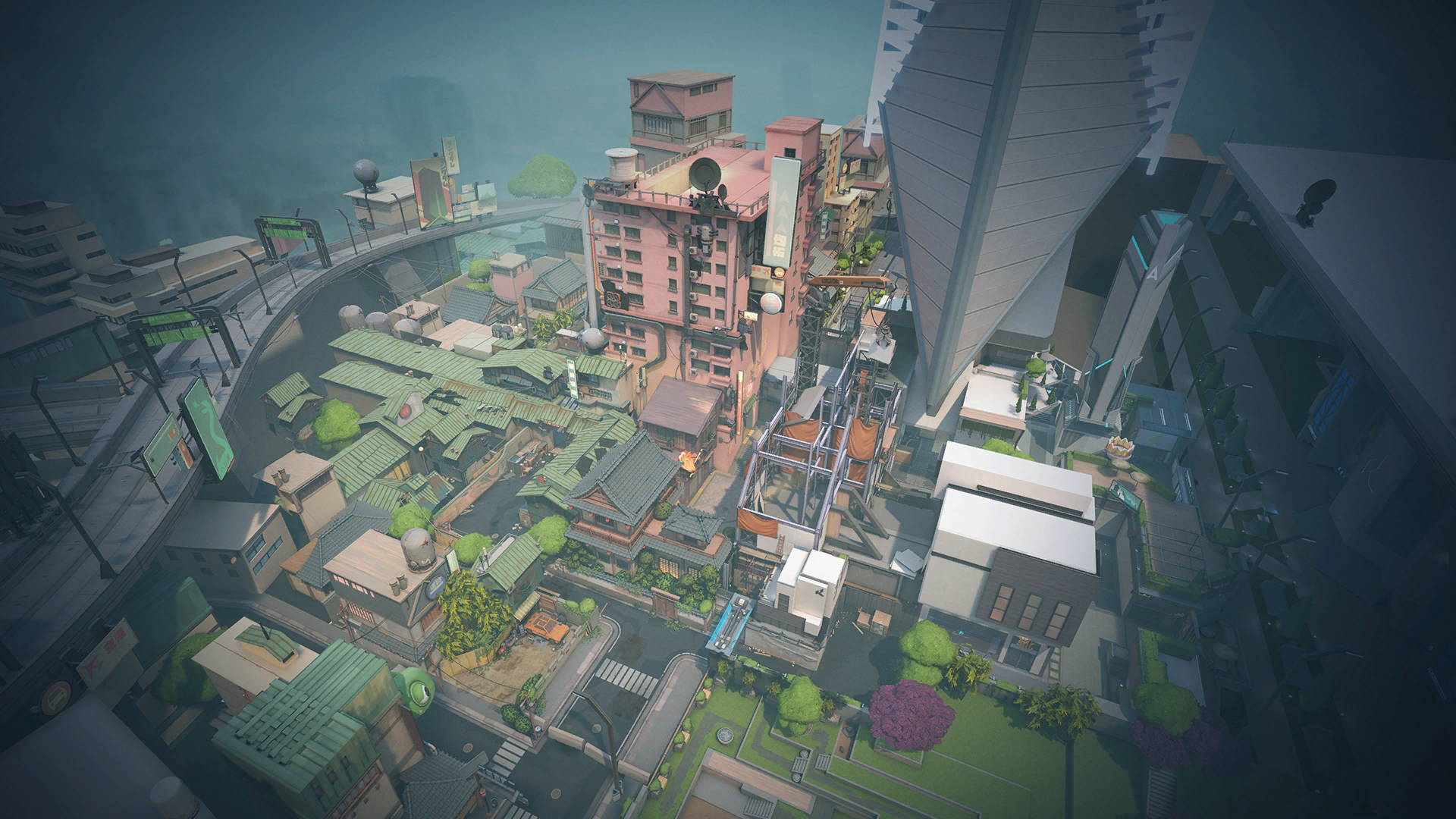

Abyss Map Guide Valorant: Callouts, Strategy and Best Agents
Abyss stands out immediately because the map edges are lethal. A mistimed strafe, satchel, dash or knockback can send players off the map for instant death, which changes how space is contested and why utility is used. The map also has unusual plant dynamics, including parts of A where you cannot plant, so site control is not as straightforward as it first appears.
Even though Abyss is currently out of the competitive queue as of Patch 12.05, it still matters. Riot rotates maps in and out, and players continue searching for guides so they can understand the geometry before it returns. Learning the map now means you are ahead later.
## Map layout at a glance
| Sites | Key Areas | Attacker advantages | Defender advantages |
|---|---|---|---|
| A | A Main, A Site, A Bridge, A Rafters, Deep A | Can abuse height and Bridge pressure, but must respect limited plantable space and dangerous edges | Strong control of elevated angles and punishing utility around narrow, lethal walkways |
| B | B Main, B Site, B Pillar, Back B, B Link | Wide approaches allow layered utility and split pressure, especially if mid control is secured first | Pillar and back-site positions offer good cover and off-angle fights while edges punish careless entries |
## Attacker strategies
Abyss attack is less about memorising gimmicks and more about respecting geometry. The lethal edges mean every duel near the outer lanes carries extra punishment, so spacing, movement discipline and utility timing matter even more than usual. Agents like Breach and Raze gain extra threat because their knockback or displacement can literally end rounds without a gunfight.
At the same time, attackers should not let the edge mechanic scare them into passivity. The map is still won through good lane pressure, coordinated clears and smart site control. If your team panics every time it sees a drop, the defenders get free territory and easy reads.
### Taking A Site
A is unusual because controlling the visible site area does not automatically mean you have a clean plant. Parts of the zone are not plantable, and A Bridge plus the surrounding elevation can turn the plant attempt into a shooting gallery if attackers have not cleared them first. That means a good A hit starts with understanding which angles actually threaten the plant and which angles simply look scary. Clear Bridge, deny the high-pressure sightlines and only then commit the spike carrier.
Because the lanes are precarious, attackers should trade tightly and avoid over-swinging near the edge. One lost body is bad; one body falling off the map while untradeable is catastrophic. If defenders are overplaying Bridge, consider making them spend utility there and pivoting before the full execute.
Taking B Site
B is the more straightforward site, but it still punishes sloppy entries. B Pillar divides the site well, giving defenders a natural place to break line of sight and isolate fights. The cleanest B hits use layered utility to flush pillar and back-site positions while a second group threatens from mid or link if possible. Without that extra pressure, the anchor often gets too much time to kite and stall.
Post-plant discipline matters because defenders can use the map edges against overeager attackers. If you chase every retaker into a close fight near the drop, you can throw a won round instantly. Hold the plant from stable ground, use utility to force the defuser off and let the geometry punish the team that has to move forward.
### Attacking the full round well
Across the full round, attackers should think of Abyss as a map where information and safe spacing are worth more than speed for its own sake. Use defaults to learn where knockback utility, anchoring util and aggressive edge pressure are being played. Then hit the site where you can cross the least dangerous ground with the most support. Fast rounds can work, but only when everyone knows which edges, bridges and fallback routes must be respected during the execute.
## Defender strategies
Defending Abyss is about making attackers uncomfortable in two ways at once: traditional utility pressure and environmental pressure. If attackers already have to worry about a ledge, even a small stun, satchel or concuss can completely change the fight. That makes utility discipline extremely valuable.
However, defenders should not tunnel vision on edge kills. The best Abyss defences still win through sound fundamentals: good crossfires, clear communication and a plan for what happens if the attackers actually reach the plant zone with numbers left alive.
### Holding A Site
A defence gets stronger every second attackers spend unsure about the plant. Players holding Bridge or the high-ground angles can force awkward movements, while site utility can deny the limited safe plant space. The defender goal is not just to stop entry; it is to make the spike carrier feel that there is never a comfortable moment to commit.
If attackers take A control anyway, fall back to positions that preserve your edge threat and retake together. Solo desperation peeks near the drop usually just hand the attackers a free kill and remove one of the map's biggest defensive advantages.
Holding B Site
B defenders should build their hold around Pillar, crossfires and knowledge of where the attackers want to plant. Pillar is strong, but only if the supporting player knows when to swing and when to stay hidden. If the anchor reveals too early, attackers can isolate him with utility and the site becomes surprisingly easy to flood.
The edge mechanic still matters here. Knockback, blast packs and concussive util can all make standard trades much scarier. But again, the win condition is structure. Survive the first wave, force the attackers into awkward plant positions and make the retake a coordinated squeeze instead of a series of desperate sprints.
### Rotations and retakes
Rotating on Abyss requires clean pathing because one rushed movement mistake can be fatal. Defenders should communicate not only where the hit is landing but whether attackers have actually crossed the dangerous ground that commits them. If they have not, there may still be time to hold shape. On retakes, be aware of which agents can create instant edge threats. A Breach stun or Raze satchel changes which routes are safe and which ones become death traps.
## Mid control and rotations
Mid on Abyss is about pathway safety as much as lane ownership. Teams that control mid well can create cleaner splits onto B and better rotation pressure toward A Bridge, while teams that lose mid often feel squeezed into obvious site hits. Attackers should clear mid methodically and avoid wide, loose spacing near danger zones. Defenders should use mid to gather information and force attackers into uncomfortable pathing rather than trying to brawl every round. The edges make every reposition more meaningful, so even small bits of map control have outsized value.
## Best agents for Abyss
- Breach: His stuns and displacement are terrifying on a map with lethal ledges, and his utility is excellent for forcing awkward movement through tight lanes.
- Raze: Blast Packs and Paint Shells add real environmental kill threat while also helping clear strong anchor positions.
- Omen: Flexible smokes and mobility matter on Abyss because the sightlines and elevations can shift quickly during site hits or retakes.
- Sova: Recon and drone reduce the guesswork on a map where one bad dry swing near an edge can instantly lose the round.
- Cypher: He helps stabilise wide lanes, punishes over-aggressive flanks and gives the team more confidence to play around the map's hazards.
## Key callouts
- A Main: The first attacker route toward A and a key staging point before bridge pressure.
- A Bridge: The defining A-side lane that creates plant pressure and dangerous edge fights.
- A Site: The unusual plant area where not every piece of visible space is actually safe or plantable.
- B Main: The main lane into B and the starting point for most direct B pressure.
- B Pillar: The central cover piece on B that shapes nearly every site fight and retake.
- Back B: The deeper defender position used to stall and re-peek around pillar timings.
- Mid: The linking lane that affects splits and determines how predictable each site hit becomes.
- Cliffs: The outer danger zones where movement errors or displacement utility can turn into instant deaths.
## Common mistakes on Abyss
1. Forgetting the map can kill you: Too many players treat Abyss like a normal aim map and take movement for granted. One careless sidestep can be more costly than missing a shot.
- Planting before the plant zone is actually secure: On A especially, attackers often win entry space but still die trying to plant because the real threat angles were never cleared.
- Forcing edge plays every round: Environmental kills are powerful, but if you tunnel vision on them you stop making good tactical decisions and become predictable.
- Retaking with panic movement: Fast rotates and desperate jumps feel urgent, but Abyss punishes rushed pathing harder than most maps.
- Ignoring the map because it is out of queue: Abyss being removed in Patch 12.05 does not mean it is irrelevant. Rotation maps return, and prepared players gain easy early advantages.
## Related guides
Want to climb faster? UpForge analyses your Valorant gameplay with AI and gives you personalised coaching. Try UpForge free at upforge.gg — no credit card required.
Put This Into Practice
Get coaching tailored to your gameplay
Review a match with free AI coaching, then auto-record on desktop when you are ready.
Share this article